AUSTRALIAN pig producers understand better than most that public confidence depends on maintaining high standards of animal welfare. The industry is subject to stringent animal welfare legislation, quality assurance programs, veterinary oversight and increasing consumer expectations. Producers recognise that genuine welfare concerns should be investigated through appropriate regulatory channels.However, a distinction exists between lawful reporting of suspected welfare breaches and illegal trespass onto commercial farms.
Over the past decade, organised animal rights activism has increasingly involved unauthorised entry onto pig farms and livestock enterprises across Australia. These incidents have created consequences extending far beyond property damage or legal disputes. They have affected the psychological wellbeing of farming families, disrupted animal management, increased biosecurity risks and contributed to growing stress within regional communities.
Farming families the hidden victims
Public discussion about activist incursions often centres on footage released online or debates over farming practices. Less visible are the experiences of producers and farm employees. For many producers, a pig farm is not simply a workplace – it is also their home. Many farms employ family members across generations and staff often develop long-term relationships with the animals under their care.
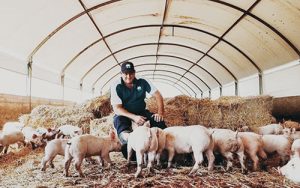
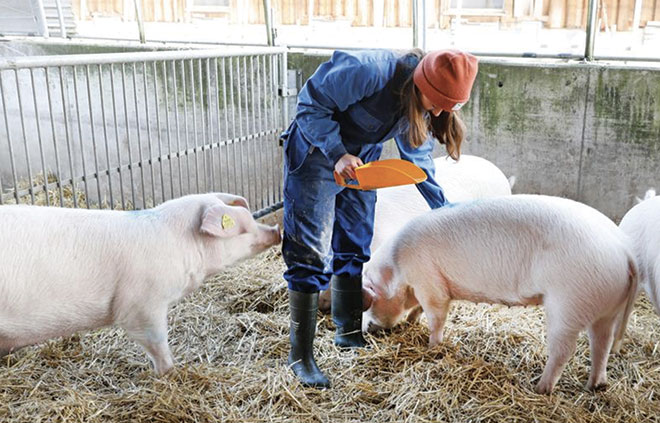
Australian pig producers operate under evolving community expectations while balancing animal welfare, biosecurity, employee safety and business sustainability.
When unknown individuals enter sheds during the night, often wearing dark clothing and carrying cameras or drones, farmers frequently describe feelings similar to those experienced after burglary or home invasion. Questions arise immediately:
- Are the intruders still on the property?
- What biosecurity risks have they introduced?
- Have gates or equipment been tampered with?
- Will footage appear online without context?
- Will the family become the target of harassment?
These concerns often continue long after the trespass has ended.
Psychological impacts
Agriculture already experiences elevated rates of psychological distress compared with many other industries. Financial uncertainty, disease risk, weather variability and regulatory pressure contribute significantly to producer stress. Illegal activist incursions add another layer.
Producers have described:
- Anxiety about returning home after dark
- Difficulty sleeping following overnight trespass
- Hypervigilance around security cameras and vehicle movements
- Fear for the safety of children living on farm
- Stress associated with online abuse following publication of activist footage
- Feelings of being personally vilified despite caring deeply for their livestock.
Unlike many workplaces, farms cannot simply ‘close the gates’ after hours. Families continue living where the incident occurred.
Biosecurity – an invisible threat
For pig producers, biosecurity is fundamental. Australia remains free from several devastating pig diseases, including African swine fever, making strict on-farm biosecurity essential. Unauthorised visitors bypass carefully designed procedures intended to reduce disease transmission. These typically include:
- Controlled property access
- Visitor declarations
- Vehicle hygiene
- Footwear disinfection
- Protective clothing
- Movement records.
Activists entering multiple livestock properties without following these protocols create a theoretical pathway for disease transmission, regardless of their intentions. The Australian Parliament’s inquiry into agricultural protection heard evidence from Australian Pork Limited that many producers considered activist incursions to represent significant biosecurity threats.
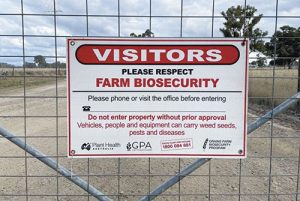
Commercial pig farms operate under strict biosecurity protocols designed to minimise the risk of disease entering livestock facilities.
Producers also reported livestock stress, financial losses and, in some cases, disease-related impacts following incursions, though some of these claims were disputed by activist organisations. The inquiry nevertheless acknowledged that unauthorised entry increases biosecurity risks and animal stress.
Animal welfare can also be affected
Ironically, illegal entry intended to document welfare concerns may itself disturb livestock. Pig behaviour specialists recognise that pigs are highly responsive to unfamiliar people, lighting and noise. Entering breeding or farrowing facilities during the night can alter normal behaviour and increase stress. Evidence presented to the Senate inquiry included producer reports of:
- Abortions and stillbirths in pregnant sows
- A sow suffering a fractured leg requiring euthanasia
- Piglets dying following disturbance during activist incursions
- Increased agitation among breeding animals.
While activist groups disputed whether sufficient evidence linked these outcomes directly to trespass events, animal health experts appearing before the inquiry agreed that unauthorised entry has the potential to increase stress in pigs and compromise biosecurity.
High-profile farm incursions
The 2019 incursion of Beerburrum Piggery in Queensland was one of Australia’s highest-profile pig farm invasions. Approximately 100 activists gathered at the property, with around 30 entering the piggery while others remained outside. The operation reportedly forced the facility into lockdown and generated widespread media attention. The incident became a catalyst for debate surrounding Australia’s trespass laws and online publication of farm locations.
In 2025, activist groups released footage allegedly obtained through unauthorised entry onto several Victorian pig farms. While Agriculture Victoria investigated the welfare allegations, industry representatives simultaneously condemned the illegal trespass, arguing that the incursions endangered animal welfare through biosecurity breaches and caused ongoing trauma for farming families and employees.
Social media amplifies the harm
Today’s activist campaigns often extend well beyond the initial trespass. Video footage may be:
- Selectively edited
- Distributed internationally within hours
- Accompanied by producer names and farm locations
- Shared repeatedly across social media platforms.
Farmers frequently report receiving threatening emails, abusive phone calls and online harassment following publication. For many producers, the reputational damage continues long after any official investigation concludes.
A delicate balance
None of this diminishes the importance of legitimate animal welfare oversight. Where evidence suggests cruelty or breaches of welfare legislation, independent authorities – including state agriculture departments and the RSPCA where appropriate – have established legal powers to investigate. The challenge lies in balancing two important public interests – maintaining transparency and accountability in livestock production with protecting farmers, livestock and regional communities from unlawful trespass and unnecessary biosecurity risks. These goals need not be mutually exclusive.
Building trust rather than conflict
Many Australian pig producers have responded by increasing transparency through:
- School and community engagement
- Virtual farm tours
- Participation in quality assurance programs
- Independent auditing
- Stronger communication about animal welfare standards.
Constructive engagement generally achieves more than confrontation. Likewise, producers benefit from maintaining comprehensive welfare records, documenting veterinary care and ensuring staff receive ongoing training, enabling farms to demonstrate compliance whenever legitimate concerns arise.
Looking forward
Animal welfare will remain a central issue for Australian agriculture. Consumers rightly expect high standards and producers increasingly recognise that maintaining community trust requires openness and continuous improvement. At the same time, illegal trespass imposes real costs – not only through biosecurity risk and operational disruption but also through its effect on the mental health of farming families and staff who already operate in a demanding environment.
The conversation about Australian pig farming should ultimately be based on evidence, transparency and lawful oversight rather than fear, intimidation or confrontation.
Respect for both animal welfare and the people who dedicate their lives to caring for livestock offers the strongest foundation for maintaining public confidence in Australian pork production.